Let’s be honest—your bedroom should be a sanctuary. A place where you recharge, dream, and feel utterly safe. But for health-conscious families, that safety isn’t just about a locked door. It’s about the air you breathe and the materials you touch for eight hours a night. The truth is, conventional bedroom furniture can be a surprising source of hidden chemicals and unsustainable practices.
Here’s the deal: creating a non-toxic bedroom isn’t about achieving some impossible, Instagram-perfect standard. It’s about making smarter, more informed choices that prioritize your family’s well-being and the planet’s health. It’s a journey, not a destination. And honestly? It’s easier to start than you might think.
Why Your Bedroom Air Matters More Than You Think
Think of your bedroom as a sealed environment. You spend a third of your life in there, with the door closed. Now, imagine that room slowly off-gassing—releasing volatile organic compounds (VOCs) from paints, particleboard, synthetic fabrics, and finishes. These aren’t just fancy acronyms; they’re linked to everything from morning headaches and allergies to more serious long-term health concerns.
For kids, whose bodies are still developing, the impact can be even more pronounced. That “new furniture smell”? It’s not a sign of freshness. It’s a red flag. Sustainable, non-toxic furnishing aims to eliminate those indoor pollutants, creating a cleaner sleep ecosystem. It’s like choosing organic food, but for your home environment.
The Pillars of a Healthy Bedroom: Materials Under the Microscope
Okay, so where do you begin? It all comes down to materials. Let’s break down the key players.
Solid Wood vs. Engineered Woods
This is the big one. Solid wood (like oak, maple, or sustainably harvested pine) is the gold standard. It’s durable, naturally low-VOC, and ages beautifully. The catch? It can be pricey.
Engineered woods like plywood or MDF are more common in budget furniture. The problem? They’re often held together with formaldehyde-based adhesives. That doesn’t mean you have to avoid them entirely—look for products certified as NAF (No Added Formaldehyde) or ULEF (Ultra-Low Emitting Formaldehyde). Certifications are your best friend here.
Natural Textiles for Bedding & Upholstery
Your bed is a textile fortress. Opt for organic, GOTS-certified cotton, linen, hemp, or wool. These materials are grown without toxic pesticides and processed without harsh chemical dyes or finishes. They’re breathable, regulate temperature, and feel amazing against your skin. Avoid “wrinkle-free” or “stain-resistant” treatments—those features usually come with a chemical cocktail you don’t want in your bed.
The Lowdown on Finishes and Adhesives
A beautiful piece of solid wood can be ruined by a toxic finish. Look for water-based, plant-based, or natural oil finishes (like pure tung oil or hard wax oils). These seal the wood without off-gassing harmful solvents. Similarly, ask about adhesives used in construction. The best manufacturers are transparent and use low-VOC, non-toxic glues.
A Practical Room-by-Room Guide to Getting Started
Feeling overwhelmed? Don’t be. You don’t need to overhaul the entire room in a weekend. Start with what you spend the most time in contact with. That’s your priority.
The Bed (The Heart of the Matter)
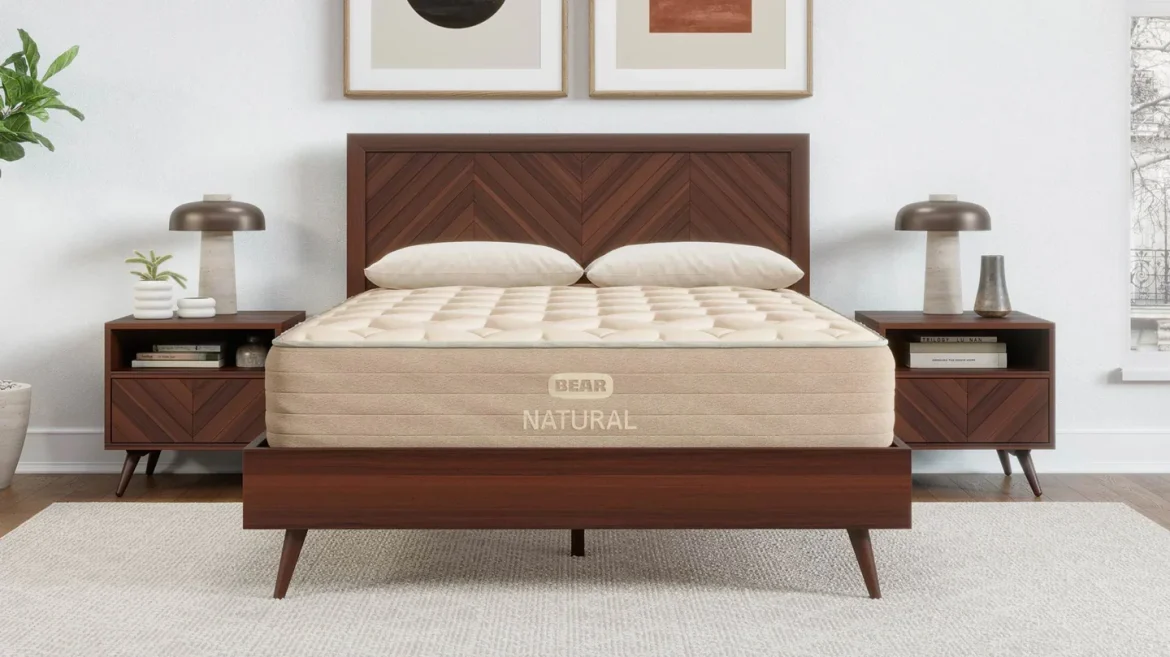
Your mattress and bed frame are the most important investments. For mattresses, seek out natural latex (from rubber trees), organic wool, or organic cotton fills. Avoid polyurethane foam. For the frame, solid wood with a natural finish is ideal. A simple, unfinished solid wood slat foundation is a fantastic, affordable start.
Storage: Dressers and Nightstands
These are often the biggest sources of off-gassing because of their large surface area and use of engineered woods. Prioritize solid wood or certified composite woods. Vintage or secondhand solid wood pieces that have already off-gassed are a brilliant, sustainable option—just give them a good clean!
The Finishing Touches: Rugs, Curtains, & Paint
Don’t undo all your good work here. Choose natural fiber rugs (jute, wool, organic cotton) and curtains. And for paint, that’s an easy win: select a zero-VOC or low-VOC paint for your walls and ceilings. Most major brands offer these now. It makes a dramatic difference in air quality almost instantly.
Navigating Labels and Spotting Greenwash
This is where it gets tricky. Terms like “eco-friendly” or “natural” are largely unregulated. You need to look for specific, reputable third-party certifications. Here’s a quick cheat sheet:
| Certification | What It Covers | Why It Matters |
| GOTS (Global Organic Textile Standard) | Textiles (organic fiber, processing) | Ensures organic integrity from harvest to finished product. |
| Greenguard Gold | Low chemical emissions | Certifies products are safe for sensitive individuals (like kids). |
| FSC (Forest Stewardship Council) | Wood & paper | Guarantees wood comes from responsibly managed forests. |
| OEKO-TEX Standard 100 | Textiles | Tests for harmful substances; good for non-organic but safe fabrics. |
Ask questions. A truly transparent company will happily tell you about their materials and processes. If they’re vague, consider it a warning sign.
Making It Work for Real Life (and Real Budgets)
Sure, an entirely custom, organic bedroom suite is a dream. But for most families, it’s about balance. Here’s how to approach it without breaking the bank:
- Start Small: Swap out your conventional mattress topper for an organic wool one. Change your sheets to organic cotton. Small changes have a cumulative effect.
- Embrace Secondhand: As mentioned, older solid wood furniture is a sustainable powerhouse. It’s already off-gassed, keeps waste out of landfills, and has character. Sand it down and finish it with a natural oil.
- Prioritize: Your mattress over your nightstand. Your child’s bed over your own. Focus your budget where it makes the most direct health impact.
- DIY When You Can: A simple sanding and refinishing project with a safe finish can breathe new life into an old piece. It’s satisfying, too.
In fact, the most sustainable piece is often the one you already own. Use what you have until it truly needs replacing, then make a mindful choice.
Beyond the Product: The Mindset of a Healthy Home
Creating a non-toxic bedroom is more than a shopping list. It’s a shift in perspective. It’s choosing quality over quantity, durability over disposability. It’s understanding that the true cost of a piece isn’t just its price tag, but its impact on your home’s air and the planet’s resources.
It’s about creating a space that feels good in every sense of the word—a place that’s truly restful because it’s genuinely healthy. A place where you can take a deep breath, literally and figuratively. And isn’t that, after all, what every family deserves?