
Let’s be honest—renovating a home to fit grandparents, parents, and kids under one roof is a beautiful, complex puzzle. And the plumbing? It’s the hidden circulatory system that keeps the whole thing alive. Get it wrong, and you’ve got daily frustrations. Get it right, and you create a home that flows smoothly for everyone, from toddlers to seniors.
Here’s the deal: multi-gen plumbing isn’t just about adding another bathroom. It’s about foresight, accessibility, and, frankly, anticipating midnight noises and morning rush hours. Let’s dive into what really matters when you’re planning that renovation.
Core Philosophy: Think in Zones, Not Just Fixtures
Before we talk pipes, consider the layout. A successful multi-gen home often operates in zones—maybe a private suite for grandparents on the main floor, common living spaces, and kid zones upstairs. Your plumbing strategy should mirror this.
Cluster wet areas (bathrooms, kitchen, laundry) back-to-back or stacked vertically wherever possible. This saves a fortune on installation and future repairs. It also reduces the risk of pressure drops when, say, someone’s showering while the washing machine kicks on. Because that morning conflict is inevitable, you know?
Water Pressure & Supply: Avoiding the “Shower Shiver”
Nothing sparks a household mutiny faster than a weak shower. With multiple concurrent users, your existing water pressure might just give up.
Key Upgrades to Consider:
- Main Line Audit: Have a pro check your incoming service line. An upgrade from a 1/2-inch to a 3/4-inch or even 1-inch line can be a game-changer for volume.
- Water Heater Sizing (and Placement): That 40-gallon tank won’t cut it. For a large household, a tankless water heater or a large-capacity tank model is worth its weight in gold. Think about placement, too—locating it centrally minimizes wait time for hot water at distant taps.
- Manifold Plumbing System: This is a bit of a pro move, but a smart one. It uses a central control panel to run individual supply lines to each fixture. It saves water, balances pressure, and lets you shut off water to one sink without affecting the whole house. A bit like having dedicated lanes on a highway.
Accessibility & Universal Design: It’s Not Just for Today
This is the heart of multi-generational planning. You’re building for agility now and mobility needs later. It’s about dignity and independence.
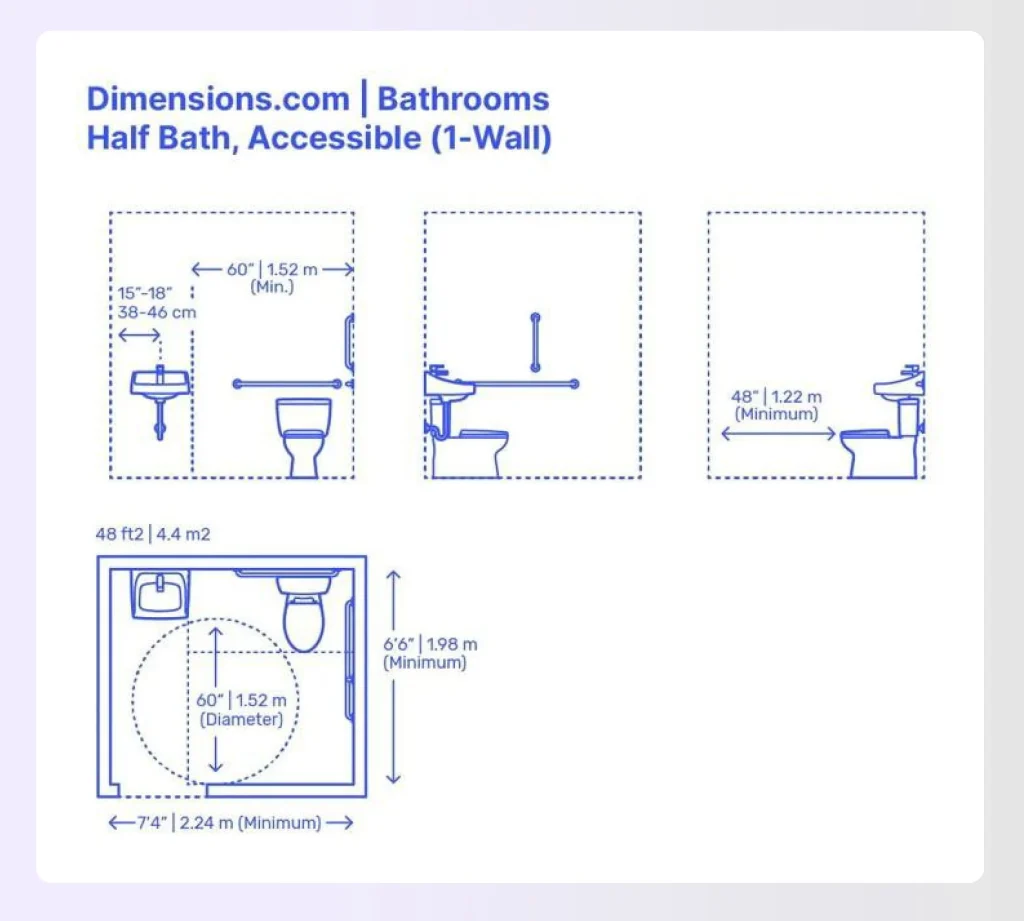
- Walk-in Showers with Zero-Threshold Entries: Curbless showers are a must. They prevent trips and allow easy wheelchair or walker access. Include a built-in bench and multiple grab bars—anchored securely into wall studs, not just drywall.
- Lever Faucets & Temperature Control: Forget knobs. Single-lever or touchless faucets in kitchens and baths are easier for arthritic hands. And anti-scald valves? Non-negotiable. They keep water at a safe max temperature to protect sensitive skin and prevent accidents.
- Comfort Height Toilets: That extra few inches of height makes sitting and standing so much easier for older adults. It’s a small change with a massive comfort impact.
- Clearance Under Sinks: Consider open vanity designs or sink covers that allow a seated user to roll right up to the basin. Insulate hot water pipes underneath to prevent burns on bare knees.
Noise Control: For Peace and Quiet (and Sanity)
Plumbing can be noisy. Pipes clanging, toilets flushing at 3 a.m., drains gurgling. In a full house, sound transmission is a real pain point.
Specify cast iron waste pipes for vertical stacks, especially near bedrooms. They’re champions at muffling sound compared to PVC. For supply lines, use pipe insulation—it quiets water flow and also prevents condensation and heat loss. It’s a simple, cost-effective win.
Durability & Easy Maintenance: Choose for the Long Haul
With heavy use, fixtures take a beating. Choose quality over fleeting trends.
| Fixture | Smart Choice for Multi-Gen Homes | Why It Works |
| Shower Valves | Pressure-balancing or thermostatic | Prevents scalding or cold shocks if someone flushes a toilet. |
| Drain Stoppers | Lift-and-turn or pop-up | Simpler, more reliable than complex touch-button drains that clog. |
| Piping Material | PEX for supply lines | Flexible, resistant to scale and corrosion, quieter than copper. |
| Faucets | Commercial-grade ceramic cartridges | They last for hundreds of thousands of cycles. Really. |
The “In-Law Suite” Plumbing Checklist
If you’re adding a dedicated suite, think of it as a self-contained apartment. It needs its own shut-off valves for quick maintenance. Honestly, this is a lifesaver. Consider a stacked plumbing wall that houses the wet wall for a kitchenette and bathroom—efficient, compact, and easier to vent.
And don’t forget external access. A frost-proof hose bib near the suite’s entrance is perfect for watering plants or rinsing off items without traipsing through the main house.
Future-Proofing: The One Thing You Won’t Regret
While walls are open, stub in extra lines. Maybe you don’t need a second laundry hookup in the suite now, but running the rough-in lines during renovation is cheap. Adding them later? Brutally expensive. The same goes for prepping for a potential elevator shaft or blocking in walls for future grab bars.
It’s about building in flexibility. Life changes. Needs evolve. Your plumbing should be ready.
Wrapping It Up: More Than Just Pipes
In the end, plumbing for a multi-generational home is a profound act of care. It’s the unspoken promise of hot water for a grandparent’s bath, reliable drainage for a teenager’s endless showers, and quiet pipes for a newborn’s naptime. It’s infrastructure that supports connection.
So plan beyond the code. Think about the flow of daily life—the simultaneous demands, the quiet needs, the years ahead. Because the best renovations aren’t just about adding space; they’re about building a foundation for shared living that truly works. And that, well, that’s something worth investing in.
